

On the first day of the festival, while life defenders shared their struggle experiences from the stage, the opening panel discussed the relationship between the climate crisis, democracy, wars, and social justice.
Life defenders shared their experiences
At the opening of the festival, people defending nature and living spaces from all over the country took the stage. Experiences from environmental struggles stretching from the Black Sea to the Kaz Mountains, from Akkuyu to all corners of Turkey were shared with the participants.
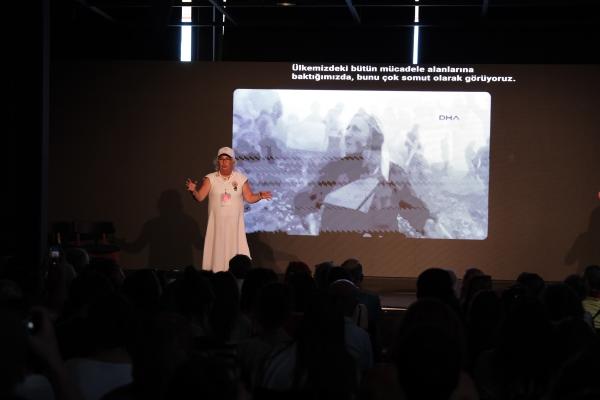
Alaattin Yılmazer from the Fatsa Nature and Environment Association spoke about anti-mining struggles in the Black Sea, while Süheyla Doğan from the Kaz Mountains' Association for the Protection of Natural and Cultural Assets highlighted the stories of women at the forefront of environmental resistance. Ahmet Oktay Demirkan, a symbolic figure in Turkey’s environmental movement, described the organized struggle against the Akkuyu Nuclear Power Plant. Bicycle transportation advocate Linda Nihan Lafçı shared her journey from Ardahan to Edirne as part of the COP Bicycle Tour, organized to include bicycle transport in United Nations climate policies. Arif Ali Cangı, one of the lawyers from the Akbelen case, emphasized the importance of collective action against policies opening up living spaces to mining companies, hydroelectric, and geothermal projects, stating, “Now is the time to stand up and shout.”
Defending truths in the post-truth era is necessary
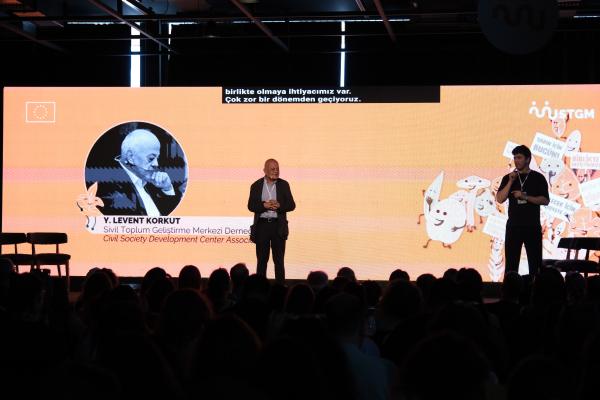
Levent Korkut, President of the STGM Board, noted in his opening speech that the present era is becoming increasingly complex and drew attention to “post-truth” debates. Korkut stated that questioning scientific facts such as climate change, the Paris Agreement, and global warming is a dangerous trend, adding, “Truth hasn’t ended; warming rates haven't changed; these realities are right in front of us.”
Korkut also noted that climate summits are not only diplomatic platforms but also spaces for struggle and protest, highlighting the importance of civil society visibility in these spheres.
Message of inclusion from the EU Delegation to Turkey
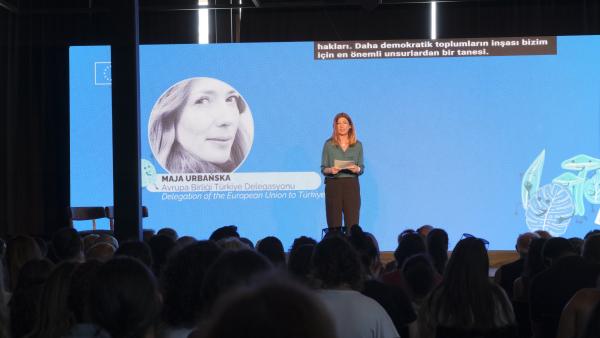
Maja Urbanska, Head of Policy and Political Affairs Section at the European Union Delegation to Turkey, highlighted the importance of civil society’s intervention and participation in climate negotiation processes in her opening speech, stating that climate policies can only be strengthened with the contributions of all segments of society.
The state of the world, the future of the planet
The festival’s opening panel was held under the title “The State of the World, the Future of the Planet.” Moderated by STGM General Coordinator Dr. Tezcan Eralp Abay, the session discussed the relationships between global wars, security policies, economic crises, and the climate crisis.
Assoc. Prof. Dr. Özge Özkoç, Faculty Member at Ankara University’s Faculty of Political Science, stated that transformations in international politics cannot be considered separate from the climate crisis. Özkoç, noting that democracies around the world are eroding and that “electoral authoritarianism” tendencies have been strengthening for a long time, said that true democracy is only possible if the rights of women, children, LGBTI+, and other disadvantaged groups are guaranteed.
Describing this period as an “age of crises,” Özkoç also emphasized that these crises simultaneously present new opportunities, underlining that civil society can play a significant role in building a new social contract.
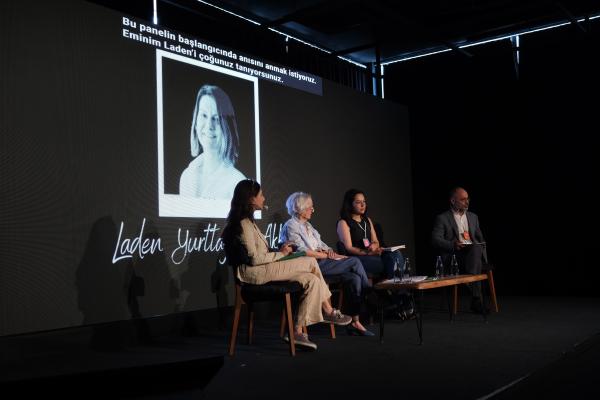
STGM Board Member Prof. Dr. Nesrin Algan stated that critical thresholds have been crossed in the climate crisis and that states must act urgently. Drawing attention to the environmental impacts of wars, Algan explained that wars lead to not only humanitarian but also ecological destruction. Emphasizing that the effects of the climate crisis do not equally impact all segments of society, Algan noted that the poor, the elderly, children, and LGBTI+ face much harsher consequences.
Dr. Aslı Odman, one of the founding volunteers of the Istanbul Labor Health and Work Safety Assembly, said that the climate crisis cannot be discussed only in terms of carbon emissions. Stating that the crisis is directly linked to production relations, Odman drew attention to deepening spatial inequalities, explaining that the climate crisis has a class dimension and follows a multilayered process ranging from workers’ bodies to the destruction of ecosystems.
The role of civil society at COP31
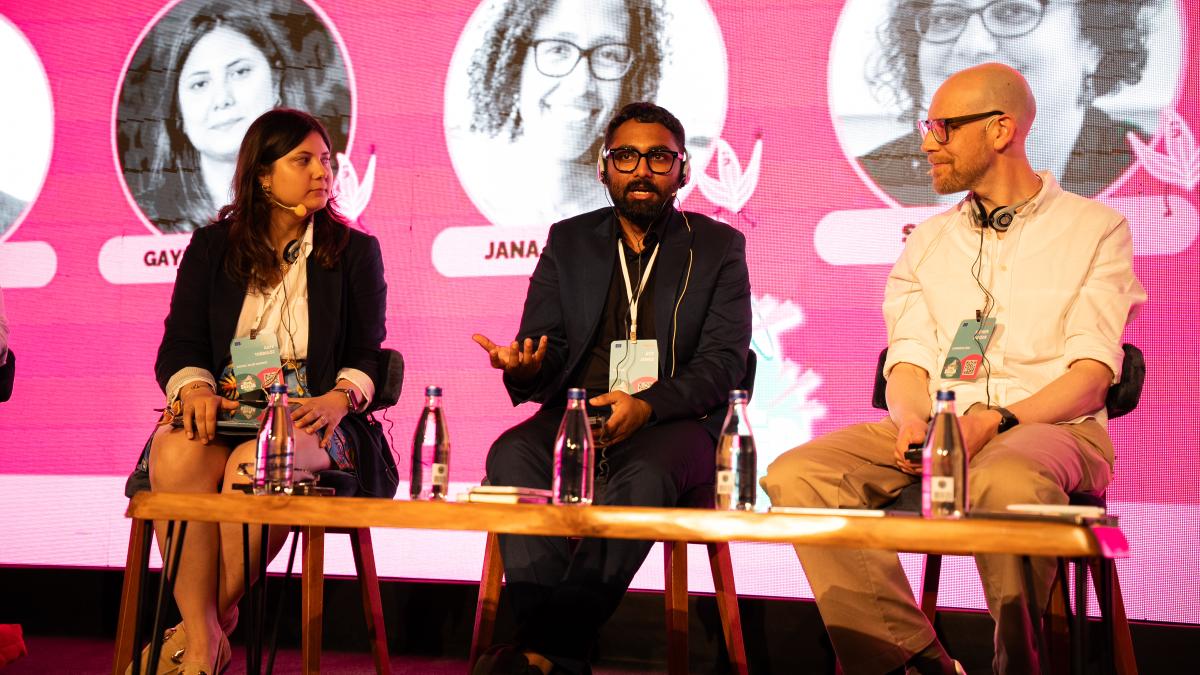
One of the festival’s noteworthy sessions was the panel titled "Strengthening Civil Society Participation in COP31 with UNFCCC Bubbles." The session addressed the current trends in global climate policies in the context of COP31 preparations, the relationship between local struggles and the international climate regime, and the future of climate justice advocacy.
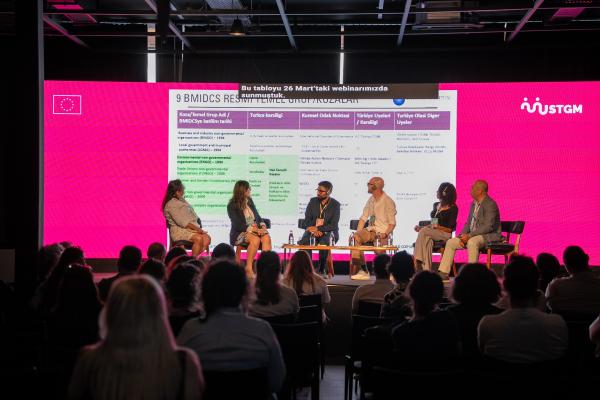
In the panel, experts from different countries and networks emphasized the importance of civil society's participation in United Nations climate negotiations. The session, moderated by Yunus Arıkan from the Global Climate Academy Association, featured Stephen Davison from Cambridge Zero, Rachitaa Gupta from the Demand Climate Justice Network, Atif Jawed, representative of European Young Engineers, Jana Merkelbach from Climate Action Network International, Gaye Tuğrulöz from the Social Climate Association, and Selen Doğan from the Flying Broom Women and Research Association.
The speakers highlighted the importance of bringing local experiences and civil society demands into international negotiation processes to ensure that policies developed in response to the effects of the climate crisis are more just, inclusive, and effective. They also emphasized the need to address climate policies from the perspectives of gender equality, youth participation, and climate justice.
Over 200 civil society organizations gathered
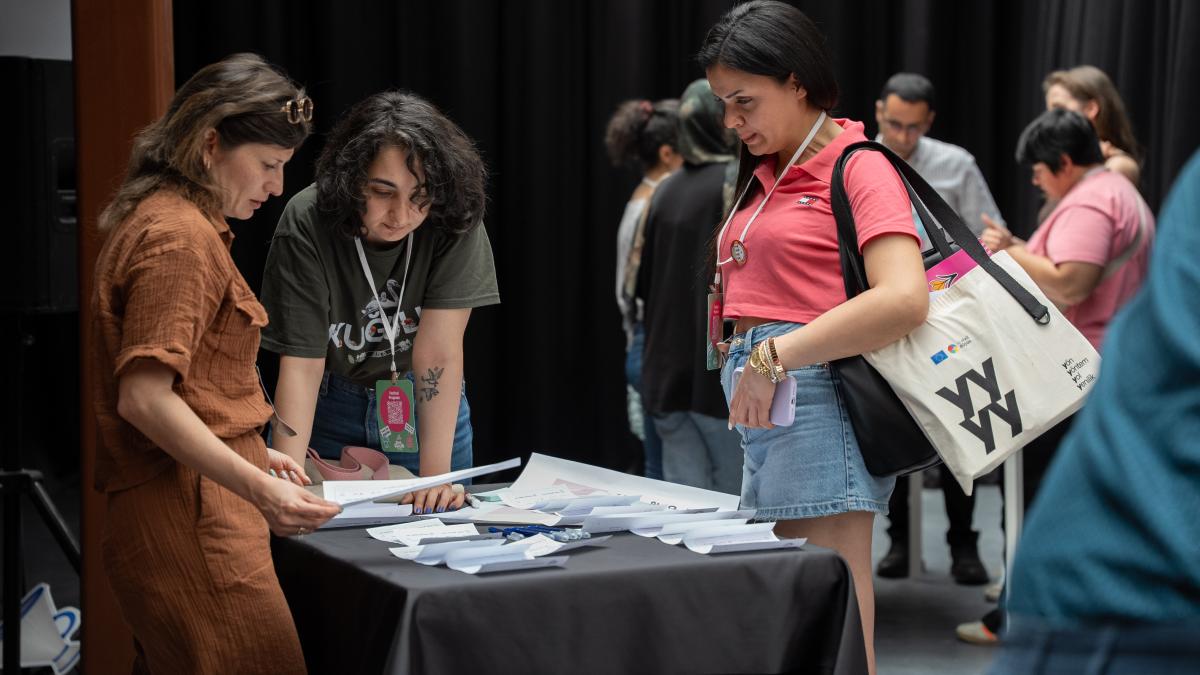
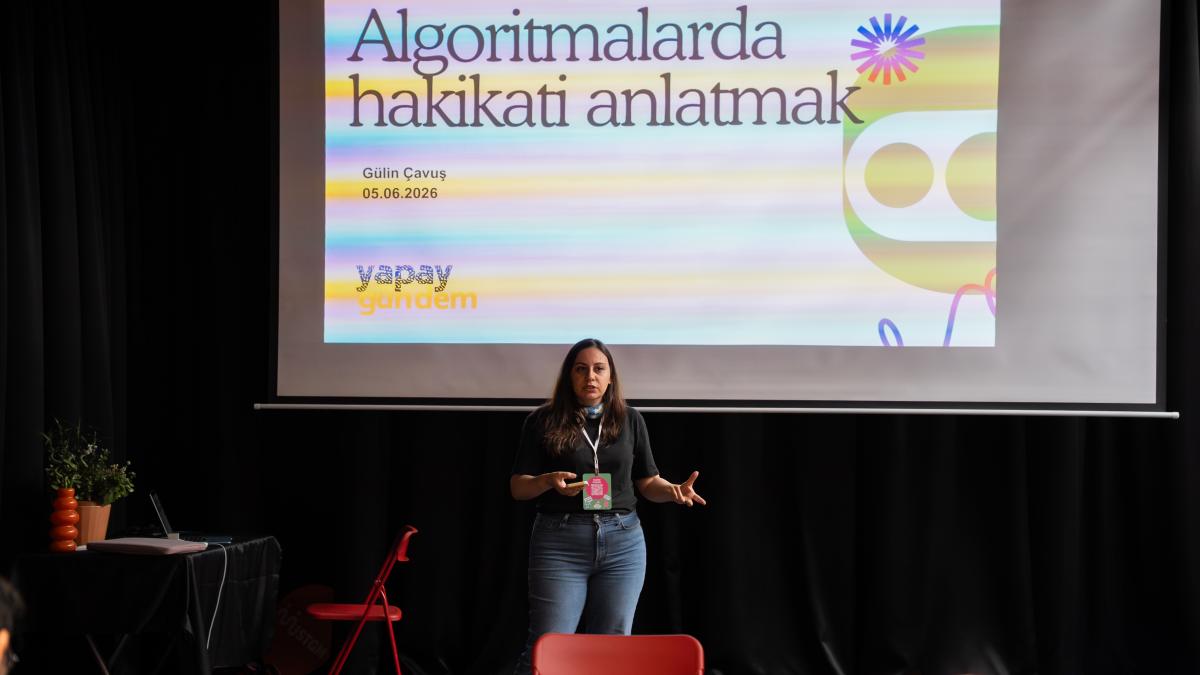
At the festival, which hosted over two hundred civil society organizations from 52 cities across Turkey, a wide range of topics were addressed in sessions, workshops, and idea kitchens, including climate justice, organizational well-being, strategic litigation, post-disaster solidarity, artificial intelligence, accessibility, children's rights, community-supported agriculture, and rights-based advocacy.
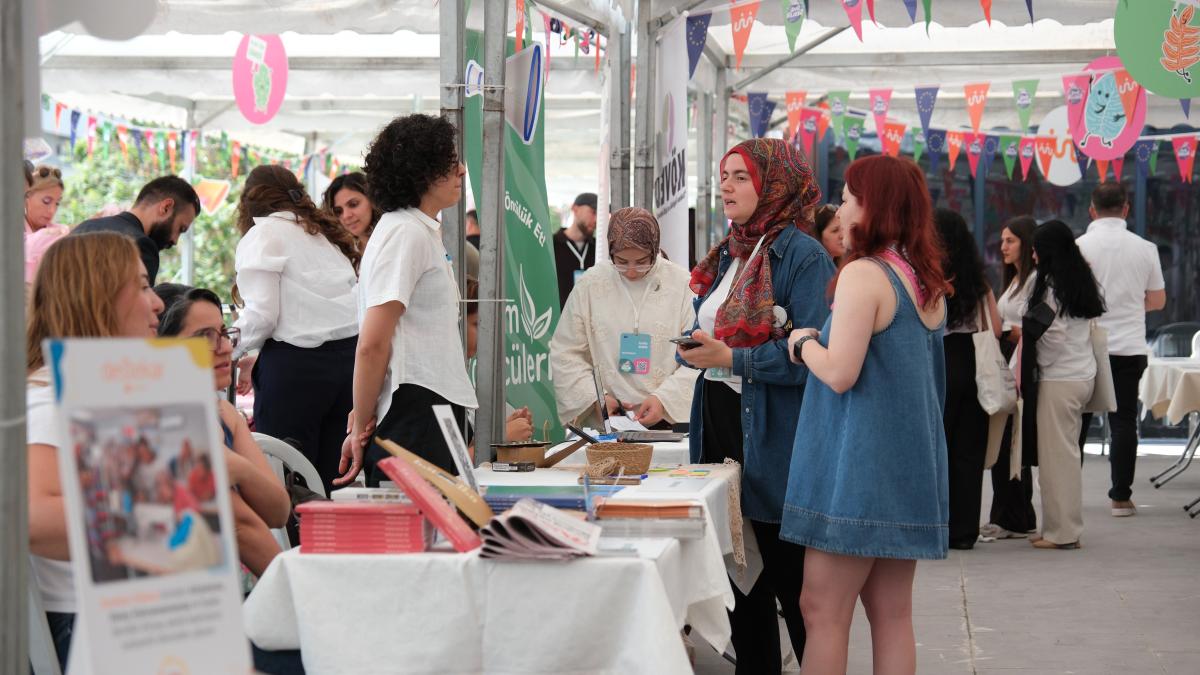
At the booths set up in the festival area over two days, civil society organizations had the opportunity to share their work, campaigns, and advocacy activities with participants. The booths also allowed organizations from various fields to get to know each other, exchange experiences, and develop new collaborations.